How to Use Arrow Warning Boards Effectively for Safety Awareness?
Arrow warning boards are essential tools in promoting safety awareness, especially in construction and roadwork zones. Research indicates that properly used warning signs can decrease accident rates by up to 40%. In a world where traffic incidents claim over 1.3 million lives each year, effective communication through visual cues is vital. Many workers and road users often overlook these signs, which can lead to dangerous situations.
Understanding how to utilize arrow warning boards effectively can enhance their impact. These boards must be placed strategically to maximize visibility. Data shows that reflective materials increase recognition by 73%, emphasizing the need for quality. Yet, not all businesses prioritize these details, leading to missed opportunities for enhancing safety.
Moreover, it’s crucial to consider how the positioning of arrow warning boards affects driver behavior. Studies reveal that clearer guidance reduces confusion and improves compliance. However, many organizations neglect to reevaluate the placement of these boards, risking ineffectiveness. Ensuring consistent maintenance and visibility can prevent complacency in safety measures. Arrow warning boards should not be an afterthought but a proactive approach to protecting lives.
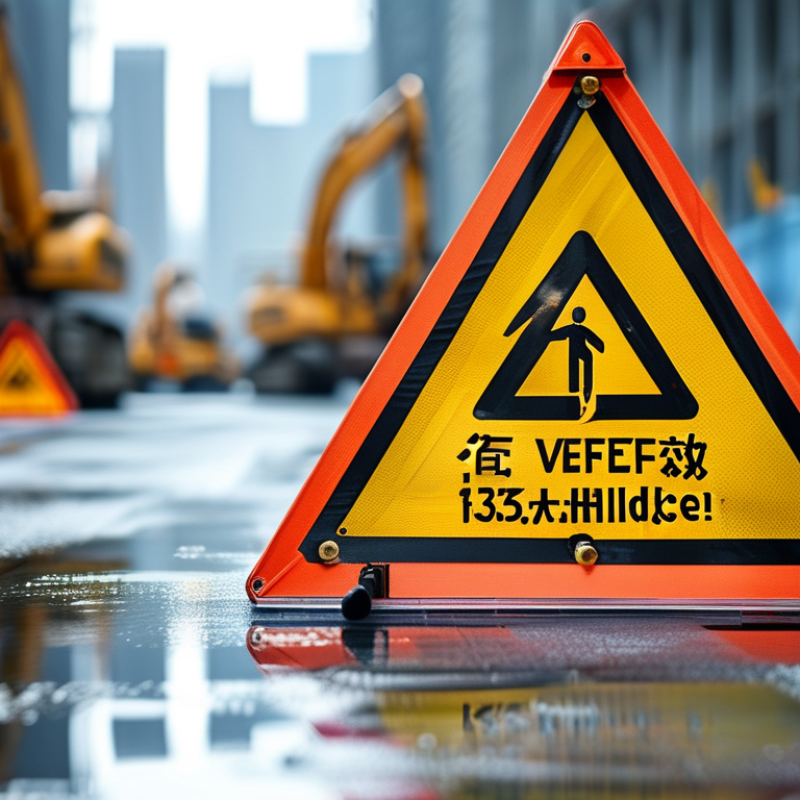
Understanding the Purpose of Arrow Warning Boards in Safety Awareness
Arrow warning boards are essential for safety awareness in various environments. They serve as visual cues, guiding individuals and vehicles safely through potentially hazardous areas. According to the National Safety Council, 42,000 injuries occur each year due to inadequate safety signage. Arrow warning boards play a crucial role in reducing these incidents.
Understanding the purpose of these boards is vital for effective safety communication. They enhance visibility in low-light conditions. Research indicates that bright colors and reflective materials can increase visibility by up to 300%. Proper placement is also crucial. These boards should be positioned where drivers and pedestrians expect them. Misplaced signs often lead to confusion, negating their intended purpose.
While arrow warning boards are effective, their implementation can sometimes falter. In many cases, the boards are too small or poorly maintained. This can diminish their effectiveness. Engaging a safety expert for evaluation is recommended. Regular checks ensure these boards remain visible and effective. Investing in quality materials can significantly improve safety outcomes. Safety awareness is a collective responsibility, and effective communication tools enhance it greatly.
How to Use Arrow Warning Boards Effectively for Safety Awareness?
| Feature |
Description |
Purpose |
Best Practices |
| Visibility |
High reflectivity and bright colors |
Ensure drivers see the warnings from a distance |
Regularly clean and inspect boards |
| Placement |
Strategically position near hazards |
Alert to upcoming dangers or changes |
Follow regulatory guidelines for distances |
| Flexibility |
Adjustable to changing environments |
Adapt warnings based on current conditions |
Ensure easy setup and removal |
| Durability |
Made from weather-resistant materials |
Withstand varying weather conditions |
Choose high-quality, sturdy materials |
| Compliance |
Adheres to safety regulations |
Ensures legal safety requirements |
Stay updated with local regulations |
Identifying Key Locations for Effective Placement of Arrow Warning Boards
The effective placement of arrow warning boards is crucial for enhancing
safety awareness. Identifying key locations is essential for maximizing their impact.
High-traffic areas, like busy intersections or construction sites, are prime candidates.
Ensure the boards are clearly visible from a distance. This visibility allows drivers to react swiftly.
Consider the flow of foot and vehicle traffic. Placing boards at decision points encourages immediate response.
Streets leading to schools or parks also benefit from warning boards.
Along these routes, they alert drivers to potential hazards. The presence of pedestrians or cyclists should influence placement decisions.
Reflect on the effectiveness of existing placements. Are people noticing the boards? You might find areas where visibility is compromised.
Weather conditions can also affect signage readability. Regular evaluations can reveal necessary adjustments.
Engage with the community to gather feedback on the boards’ visibility.
They can provide insights on improvements too.
Designing Eye-Catching and Informative Arrow Warning Boards
Creating effective arrow warning boards requires thoughtful design. A well-placed arrow can guide drivers or pedestrians, minimizing accidents in hazardous areas. Color choice plays a vital role here. Bright, contrasting colors grab attention quickly. For example, yellow and black combinations are widely recognized as warning signals. Using large, clear fonts enhances readability from a distance.
Interesting graphics can amplify the message. Simple icons or images can convey information instantly. However, it's essential to keep designs uncluttered. Too many details can confuse rather than inform. Reflecting on previous designs can provide insights into what works. Gathering feedback from users can also highlight areas for improvement.
Incorporating reflective materials increases visibility at night. Permanent locations might warrant weather-resistant materials for durability. Regular maintenance ensures boards remain effective. Overlooking this can lead to safety risks. Continuous improvement is key. Regular assessments of design effectiveness should be part of the routine.
Training Staff on the Importance of Arrow Warning Boards
Effective use of arrow warning boards begins with thorough training for staff. Understanding the significance of these boards can enhance safety awareness. Employees must know that these boards are not just tools; they help guide and protect everyone, especially in high-risk areas. Frequent training sessions can reinforce this message. Use real-life examples to make it relatable. Discuss past incidents where lack of attention led to accidents or injuries.
Engaging staff in hands-on activities is crucial. Simulate scenarios where they place or respond to warning boards. This practice allows them to experience the impact firsthand. Consider incorporating feedback discussions after the exercises. These conversations can reveal gaps in understanding and areas for improvement.
Moreover, challenge your team to think critically. Ask them how they would react in different situations. This reflection can foster a deeper appreciation for safety measures. Encourage them to share ideas on how to use arrow warning boards more effectively. Bringing diverse perspectives together can lead to innovative solutions.
Evaluating the Impact of Arrow Warning Boards on Safety Compliance
Arrow warning boards play a crucial role in enhancing safety compliance. Their visibility and design can significantly influence drivers' behavior in various environments. Research indicates that well-placed warning boards reduce accidents, particularly in construction zones or during road maintenance. However, their effectiveness greatly depends on the quality of the graphics and the clarity of the message.
Tips: Ensure that arrow warning boards are positioned at a height and angle that maximizes visibility. A clear, straightforward message helps in quickly conveying the intended safety directive. Reflective materials can enhance visibility during low-light conditions, making these boards effective around the clock.
Despite their benefits, some areas may underutilize arrow warning boards due to budget constraints. This can result in insufficient coverage, leading to potential dangers. Regular evaluations can help identify locations where signage is lacking. A proactive approach to safety, including increased awareness of placement and condition of these boards, fosters a culture of safety compliance among road users.

