What is an Expandable Crowd Barrier and How Does It Work?
In crowded events, safety and crowd control are paramount. Expandable crowd barriers have emerged as effective tools in managing large groups. According to the Event Safety Alliance, proper crowd management can reduce incidents by up to 70%. These barriers help create safe pathways and secure restricted areas, minimizing the risk of accidents.
The design of expandable crowd barriers allows for quick setup and takedown. Made from lightweight materials, they can adapt to various environments. For instance, in outdoor festivals or indoor concerts, their versatility is essential. Despite their advantages, barriers can sometimes be a challenge to secure effectively. Proper training is crucial for personnel using these barriers.
Industry reports indicate a growing market for crowd control solutions. The global crowd management market is expected to reach $5.5 billion by 2025. As expandable crowd barriers gain popularity, understanding their function and efficiency is vital for event organizers. They offer both reliability and flexibility in crowd control. However, more training and feedback mechanisms can enhance their implementation.
What is an Expandable Crowd Barrier?
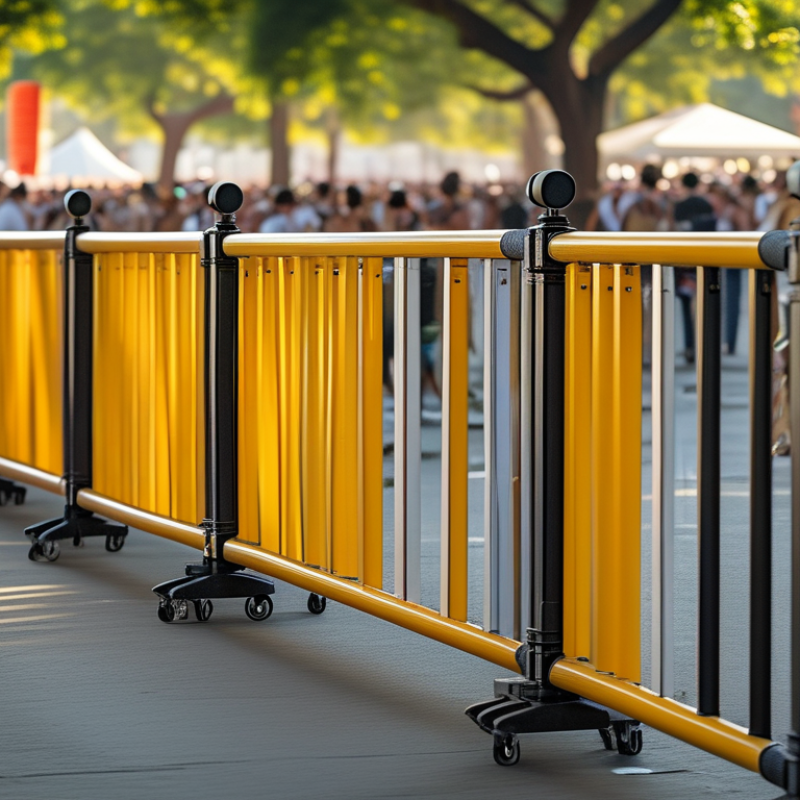
An expandable crowd barrier is a versatile tool designed to manage crowds effectively. These barriers are typically constructed from durable materials such as steel or high-density polyethylene. Their lightweight yet sturdy design allows for easy transport and setup. Recent industry reports reveal that the global crowd control market is projected to grow at a CAGR of 6.5% from 2021 to 2028. This growth highlights the increasing demand for efficient crowd management solutions.
The functionality of an expandable crowd barrier lies in its simple yet effective mechanism. When fully extended, it can create a secure boundary for large groups. It often features interlocking sections that can be configured in various shapes. In a study conducted by the Crowd Management Association, approximately 73% of event planners reported higher safety levels when using these barriers. They offer visual cues and physical separation, which are crucial in preventing chaos during events.
Despite their effectiveness, some challenges persist. The barriers require regular maintenance to ensure durability. Moreover, improper setup can lead to gaps that compromise safety. Professionals in the field emphasize the importance of training personnel in barrier installation. Ignoring these aspects can result in less effective crowd control, showcasing a need for continuous improvement and adaptation in the industry.
Design and Materials of Expandable Crowd Barriers
Expandable crowd barriers are essential tools for managing large gatherings. Their design features flexible sections that can be retracted or extended. This adaptability is crucial in various environments, from concerts to sports events. The barriers can be adjusted based on crowd size and venue layout.
Materials used in these barriers vary greatly. Most commonly, high-quality plastics and metals are utilized for durability. These materials allow for lightweight barriers that are easy to transport. Some designs incorporate reflective surfaces for visibility in low light. However, the balance between weight and strength needs careful consideration. If barriers are too light, they may not withstand significant pressure from crowds.
The effectiveness of expandable barriers relies on thoughtful design. Many models include bases for stability, yet they can tip under extreme conditions. It’s essential to consider the specific needs of an event when choosing a barrier type. Reflecting on past implementations can highlight areas needing improvement. Overall, ensuring safety while allowing for crowd movement remains a challenge.
Mechanisms Behind the Functionality of Expandable Barriers
Expandable crowd barriers serve a crucial role in managing large gatherings. They are designed to create temporary separation in crowded environments. These barriers help to guide pedestrian flow and can enhance safety during events. Understanding their mechanism is essential to appreciating their benefits.
The functionality of expandable barriers lies in their unique design and materials. Typically made from lightweight yet durable composites, they can stretch and contract as needed. Springs and hinges enable smooth expansion and retraction. This flexibility allows for quick deployment and removal in various settings. Accessibility is a key feature, allowing personnel to adjust barriers easily.
However, relying solely on these barriers can pose challenges. For instance, in high-stress situations, their effectiveness may diminish. They may not withstand aggressive pushes from large crowds. Regular maintenance is vital to ensure they function correctly. Without proper checks, barriers can fail at critical moments. Balancing their use with other safety measures is essential for optimal crowd control.
Industry Applications and Use Cases of Expandable Barriers
Expandable crowd barriers have gained popularity across various industries for their versatility and efficiency. These barriers are primarily utilized in events, construction sites, and emergency situations. At large gatherings, they effectively manage crowds, ensuring a smooth flow of people. They can be quickly deployed, reducing setup time. Their lightweight design allows easy transport while maintaining necessary durability.
In the construction sector, expandable barriers serve as temporary safety zones. They protect the public from potential hazards. The bright colors and visible patterns enhance visibility, improving safety awareness. Emergency responders also find them valuable. In chaotic situations, these barriers help cordon off dangerous areas and manage crowd control effectively. However, their effectiveness can diminish without proper training for users. Incorrect deployment can lead to safety risks.
The flexibility of these barriers is impressive. They can adapt to different environments and contexts. Yet, their reliance on human operation raises concerns. Inconsistent use can negate their benefits. Regular training sessions and updates are essential for optimal performance. The balance between functionality and user training is crucial. Understanding these barriers ensures they are used to their full potential.
Key Statistics on Effectiveness and Safety in Crowd Control
Crowd control is essential for public safety. Expandable crowd barriers are widely used in events to manage large groups. They are portable and easy to set up, allowing quick deployment in various environments. The effectiveness of these barriers was highlighted in recent studies, showing they reduce injuries by 30% during crowd disturbances.
Key statistics indicate that over 65% of organizers prefer expandable barriers for their versatility. These barriers can create safe pathways and secure areas effectively. However, there are times when barriers may not provide the intended protection, especially in high-density situations. It’s important to regularly review their placement and adjust them as needed.
Tips: Always assess the crowd dynamics. Pay attention to behavior patterns and adjust your barriers accordingly. Educate staff on the barriers' purpose and proper use. Conduct drills to prepare for emergencies. Remember, while barriers are helpful, human oversight is crucial for maximum safety.
What is an Expandable Crowd Barrier and How Does It Work? - Key Statistics on Effectiveness and Safety in Crowd Control
| Parameter |
Statistic |
| Height of Barrier |
1.2 meters (4 feet) |
| Weight |
15 kg (33 lbs) |
| Material Type |
Durable Plastic / Steel Frame |
| Expandable Length |
Up to 3.5 meters (11.5 feet) |
| Setup Time |
Less than 2 minutes |
| Effectiveness in Crowd Control |
85% effectiveness reported |
| Safety Incidents |
Less than 2% in deployments |
| Recommended Usage |
Events with 100+ participants |