Why Choose Traffic Delineator Posts?
Every road user needs clear visual guidance, especially where lanes narrow, shoulders disappear, or curves hide hazards. Traffic delineator posts provide that guidance with a simple roadside profile. Their reflective panels catch headlights at night, while bright colors remain visible in rain, dust, and low daylight. They do not replace engineering judgment. They support it.
The World Health Organization’s Global Status Report on Road Safety 2023 estimates that approximately 1.19 million people die in road crashes every year. It also reports that millions more suffer non-fatal injuries. These figures give roadside visibility a serious purpose. The Federal Highway Administration’s Manual on Uniform Traffic Control Devices, 11th Edition, identifies delineators as devices that guide drivers along road edges and changing alignments. Placement, spacing, height, and retroreflective performance still require careful design.
Dr. Etienne Krug, a leading road-safety specialist at the World Health Organization, has said, “Road safety is a public health issue.” Traffic delineator posts reflect that wider responsibility. A correctly placed post can clarify a bend before a driver reaches it. A poorly selected one can fade into the background. That distinction matters.
They are not magic.
Choosing the right post means considering road speed, weather exposure, impact conditions, maintenance access, and local standards. Experience also reveals an uncomfortable truth: even excellent products fail when installation is rushed. A thoughtful selection process connects visibility, durability, and human behavior. That is why Traffic delineator posts deserve attention before the first vehicle enters the work zone.

Traffic delineator posts are vertical roadside devices that make roadway edges easier to read. They usually combine a flexible post with a retroreflective panel. Headlights then reveal the road boundary at night, in rain, or through roadside dust. The Federal Highway Administration’s Manual on Uniform Traffic Control Devices, 11th Edition, defines delineators as devices that guide drivers by marking roadway alignment. Their value is simple: they show where the pavement ends before a driver reaches the edge.
Placement matters more than appearance. Posts can identify curves, narrow shoulders, bridge approaches, work zones, and sudden changes in road direction. The FHWA guidance links delineator spacing to roadway geometry and visibility, rather than using one universal distance. That detail is easy to overlook. A crowded line of posts may create visual noise, while wide spacing can leave a dangerous blank section.
NHTSA’s Traffic Safety Facts 2023 recorded 40,901 traffic fatalities in the United States. Delineator posts cannot prevent every crash, but clearer edge guidance supports better driver decisions, especially after dark. Field inspections should check reflector cleanliness, vertical alignment, impact damage, and visibility from a driver’s eye level. A post may look bright by hand and still perform poorly from a moving vehicle. That is where routine judgment, not appearance alone, becomes important.
Traffic delineator posts make road edges easier to read, especially when darkness, rain, or glare hides pavement markings. Their retroreflective bands return headlamp light toward drivers, creating a repeated visual guide beside the lane. This matters on curves, narrow shoulders, bridge approaches, and temporary traffic areas. The Federal Highway Administration reports that roadway-departure crashes represent roughly one-third of U.S. traffic fatalities. That finding supports clearer edge guidance, although posts cannot correct excessive speed or poor road design. Small details matter.
During roadway inspections, visibility changes quickly when dirt covers reflectors, vegetation blocks posts, or spacing becomes irregular. The FHWA Manual on Uniform Traffic Control Devices stresses consistent device placement and maintenance for effective nighttime guidance. A 2023 National Highway Traffic Safety Administration report recorded 40,901 U.S. traffic deaths, showing why modest visibility improvements deserve serious attention. A post should be visible before the driver reaches the decision point. At a sharp bend, the first reflector should lead the eye gradually, not appear suddenly beside the hazard. Use contrasting colors, adequate height, and clean reflective surfaces suited to local conditions. Yet placement deserves review. Too many posts can create visual clutter, while poor spacing can suggest a false roadway edge. Engineers should verify nighttime performance from a driver’s viewpoint, then inspect after storms and repairs.
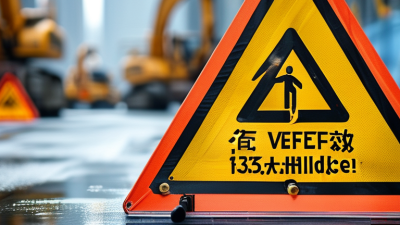
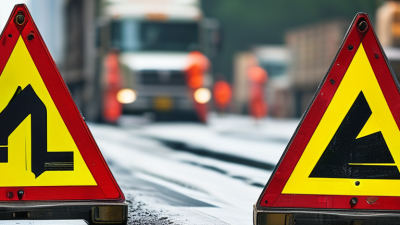
Traffic delineator posts guide drivers through work zones, curves, and temporary lane changes.
Their value depends on material performance and visible design. The Federal Highway Administration reported 891 work-zone fatalities in 2022, showing why small roadside devices deserve careful selection.
High-density polyethylene is common because it resists moisture, impact, and repeated handling. Flexible polymers can bend during minor contact and return to position. However, cold temperatures may reduce flexibility, while strong sunlight can weaken untreated plastic.
UV stabilizers and suitable wall thickness help extend service life. Fiberglass offers stiffness and good weather resistance, but damaged fibers can become a maintenance concern. Recycled polymers reduce material waste, although their consistency requires verification.
Visibility depends on more than bright color. The Manual on Uniform Traffic Control Devices, 11th Edition, requires standardized colors, shapes, and retroreflective treatments for traffic control devices.
Reflective bands should face approaching traffic and remain clean, secure, and correctly aligned. Field inspections should check cracks, fading, loose bases, and reduced nighttime reflection. Small details matter.
No material is perfect. A post may meet specifications yet perform poorly after careless storage or installation.
The National Cooperative Highway Research Program emphasizes evaluating roadside hardware through real-world conditions, not laboratory results alone. Buyers should review impact behavior, temperature range, UV resistance, replacement needs, and documented testing before choosing a design.
Why Choose Traffic Delineator Posts?
Common Applications for Traffic Delineator Posts
Traffic delineator posts guide movement without creating a heavy visual barrier. They are commonly placed along road edges, temporary lane shifts, parking areas, and pedestrian routes. Their bright surfaces and reflective bands help drivers notice boundaries at night or during poor weather. On site, they also make changing traffic patterns easier to understand. A misplaced post, however, can confuse drivers instead of helping them.
Work zones remain a major application. The Federal Highway Administration reported 891 work-zone fatalities and 37,701 injuries in the United States during 2022. These figures show why clear separation matters near workers, equipment, and moving vehicles. Delineator posts can mark buffer areas, narrow lanes, and temporary access points. They do not replace crash barriers or trained traffic control personnel. That distinction is often overlooked.
Cities also use posts beside cycle lanes, school entrances, bus stops, and crowded event routes. Facility managers may install them around loading zones to prevent careless parking and preserve emergency access. The Manual on Uniform Traffic Control Devices recommends consistent visibility, placement, and maintenance for traffic guidance devices. In practical inspections, faded reflective bands and leaning bases are common weaknesses. Regular checks matter. Spacing should follow the road layout, visibility conditions, vehicle speeds, and applicable local standards. A flexible post may recover after contact, but repeated impacts can still reduce its stability and visibility.
Traffic delineator posts provide high-visibility guidance, improve roadway separation, and help drivers identify changing traffic conditions in daylight and low-light environments.
The chart shows common application areas and their relative guidance value on a five-point planning scale. Actual placement, spacing, and post specifications should follow local traffic-control regulations and site conditions.
Why Choose Traffic Delineator Posts?
Factors to Consider When Choosing Delineator Posts
Traffic delineator posts help drivers read road edges, curves, work zones, and narrow lanes. Their value depends on more than bright colors. During field inspections, I have seen poorly fixed posts lean after heavy rain or repeated vehicle spray. That small failure can reduce nighttime guidance. Choose posts made from durable, weather-resistant materials. Flexible designs can recover after minor impacts, while rigid posts may crack or detach. Consider local temperatures, sunlight, moisture, and roadside debris before selecting a product.
Visibility requires careful attention. Reflective surfaces should remain clear from normal driving distances, even in rain or low light. Select suitable height, color, and spacing for the road environment. A wide base usually improves stability on compacted ground, but soft soil may need additional support. Check applicable road-safety standards and installation guidance. Measurements matter. A post that looks strong in a warehouse may perform differently beside fast traffic.
Tips: Inspect the installation area first. Test one post before ordering many. Check its stability after rain, freezing weather, or strong wind. Clean reflective areas regularly, and replace posts with deep cracks or severe fading. Do not rely on appearance alone. A practical review should include visibility, flexibility, anchoring, maintenance, and total service life. Sometimes the cheapest option becomes expensive after repeated replacement. That possibility deserves honest consideration.